From reactive to proactive COPD treatment with AI
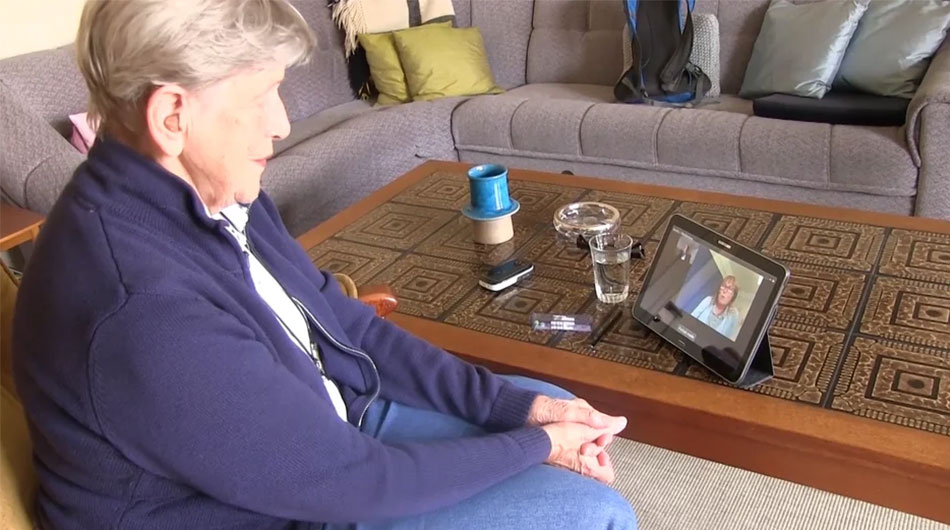
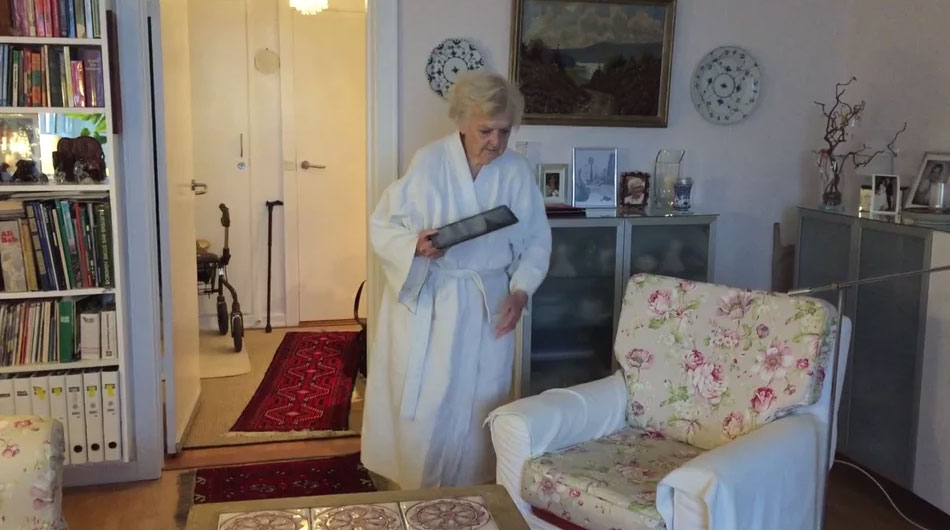
The proactive approach is based on the Epital Care Model (ECM), a data-driven and patient-centered healthcare model developed to improve the quality of life for people living with chronic diseases. In this model, patients are monitored in their own homes, increasing their sense of security and quality of life through better insight into their condition, while supporting the development of community-based healthcare services.
The ECM method has previously been applied in the research projects PreCare and TEMOKAP.
In this project, we further develop the model and add an additional layer of intelligence by actively analyzing data and identifying patterns that may indicate an early deterioration in patients’ conditions within the next seven days.
From overview to action
The national telemedicine solution, TeleCOPD, has already made it possible to collect data close to the patient. PROactive TeleCOPD is integrated with the TeleCOPD platform, making it scalable and implementable across all municipalities, as the technical infrastructure is already in place.
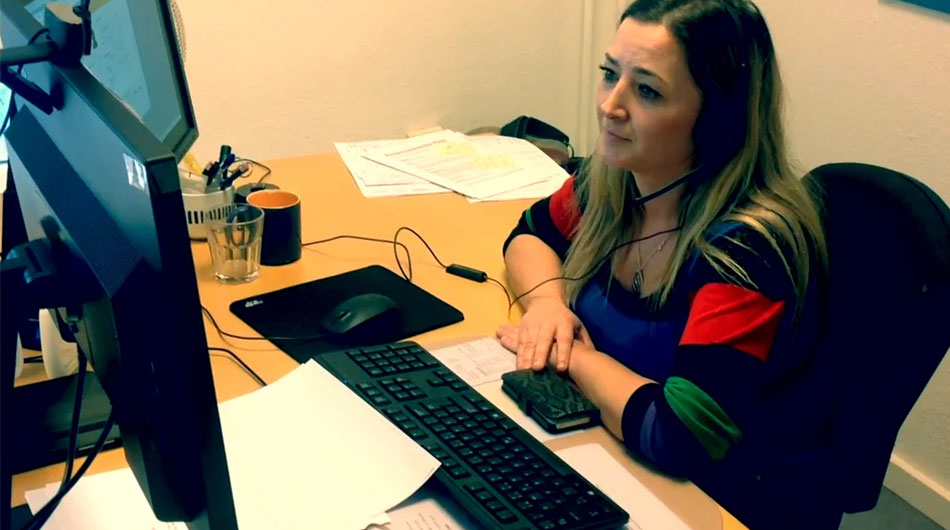
The aim of PROactive TeleCOPD is therefore not to replace the structured work within TeleCOPD, but to expand the clinical decision-making basis and scope for action. Nurses gain greater ability to prioritize their efforts, provide individualized guidance, and act on subtle changes in disease progression—supported both by their professional expertise and data-driven insights. Patients, in turn, are empowered to become more active and self-managing, supported by both technological and clinical knowledge, which enhances their sense of security.
The AI solution analyzes patient data from up to 30 days back, identifying patterns and early signs of deterioration. Rather than replacing healthcare professionals, the system highlights the most critical insights.

This means that healthcare professionals, in addition to having access to data, are also supported in understanding what requires attention, with results presented as easy-to-understand text directly within the clinical interface.
At the same time, a framework delegation enables municipal monitoring nurses to initiate preventive medical treatment based on an established treatment plan for each individual patient. There is 24/7 access to a physician, and a weekly virtual ward round is conducted between a pulmonologist from the hospital and the monitoring nurses. This creates significant value for cross-sector collaboration and ensures that municipal nurses feel professionally equipped for the task.
Why is it important?
The healthcare system is facing increasing pressure with more patients and limited resources. PROactive TeleCOPD serves as a decision support tool designed to integrate seamlessly into the existing technical setup. Instead of introducing new complex systems, the solution is integrated into the telemedicine platform Telma, which is already in use today.

In the previous research project PreCare, which was also based on ECM, it was observed that a proactive and data-driven approach leads to significant improvements in both quality of care and resource utilization. The results included, among other things:

A natural next step
PROactive TeleCOPD builds on the experiences from PreCare and TEMOKAP and represents the next step in the development towards a more proactive healthcare system. In this way, data becomes not only a documentation tool, but an active part of the decision-making foundation for the timely care of citizens living with chronic disease.